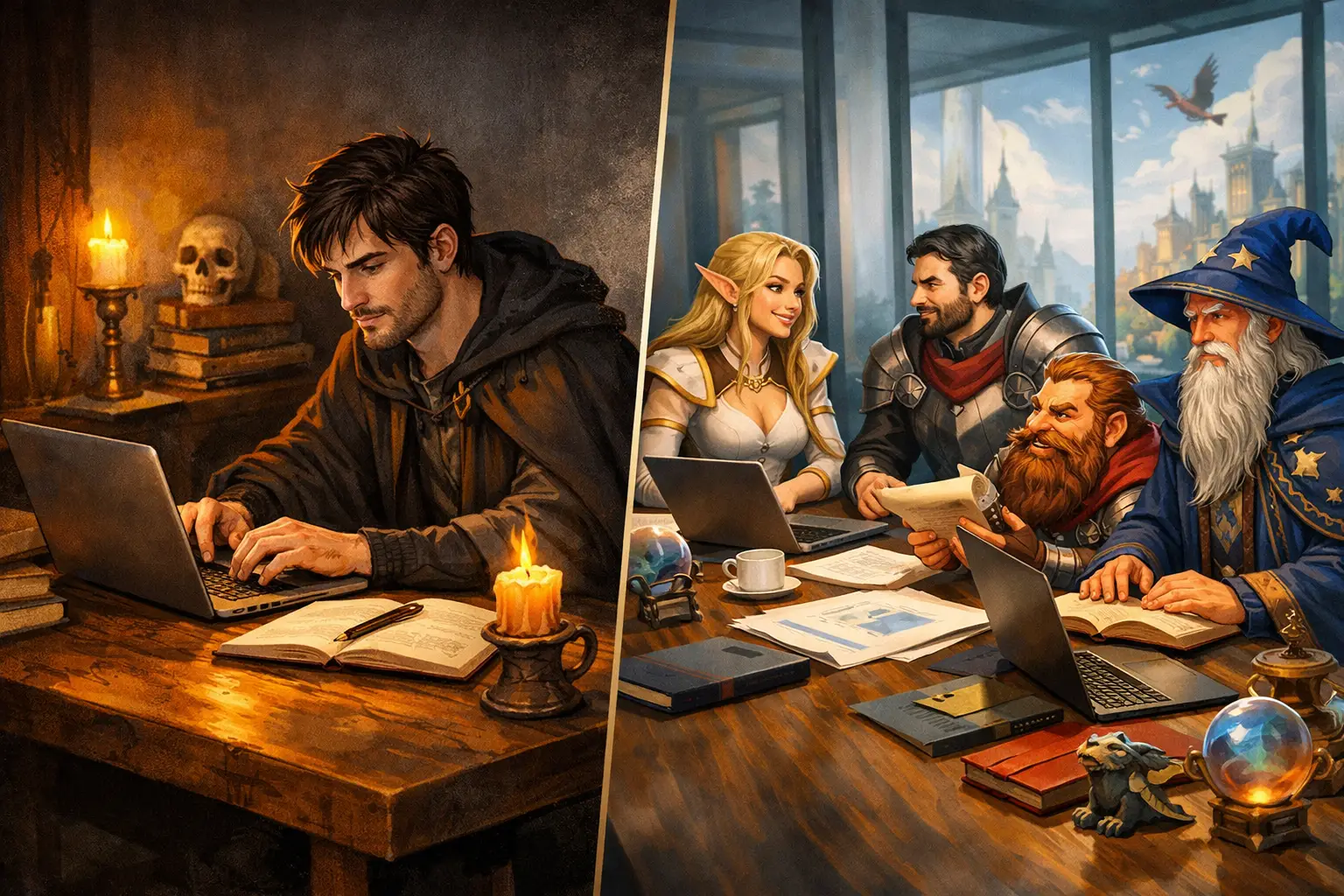
Hiring a ghostwriter sounds simple at first. You have an idea, a message, or a manuscript goal, and you need someone to turn it into polished content. But once you start looking, you usually face one big question: should you hire a freelance ghostwriter or work with a ghostwriting agency?
Both options can work well. A freelance ghostwriter can offer direct communication, flexibility, and a more personal working relationship. A ghostwriting agency, on the other hand, usually offers a structured process, access to multiple specialists, and stronger project support. Current ghostwriting guidance broadly frames the choice this way: freelancers are direct independent contractors, while agencies or services add broader process and team support.
The right choice depends on your project goals, timeline, budget, and how much support you need. If you are working on a short blog series, a freelancer may be enough. If you need a book, memoir, website content, and strategy support under one process, an agency may be the better fit.
In this guide, we will compare freelance ghostwriter vs agency in a practical way so you can choose the right solution for your writing project.
Quick answer: freelance ghostwriter or agency?
Choose a freelance ghostwriter if you want:
- direct one-to-one communication
- a smaller project scope
- more flexibility in workflow
- a potentially lower upfront cost
Choose a ghostwriting agency if you want:
- a more structured process
- access to multiple writers or editors
- support across strategy, writing, editing, and revisions
- more reliability for larger or business-critical projects
Many current ghostwriting resources describe the main hiring paths as either independent freelancers/marketplaces or agency-style services, with agencies typically offering more formal support and process layers.
What is a freelance ghostwriter?

A freelance ghostwriter is an independent writer you hire directly. They may work on books, memoirs, blog posts, website content, speeches, scripts, or thought leadership pieces. Because they work independently, communication is usually more direct and decisions can move quickly.
Freelance ghostwriters are often a good fit for clients who already know what they want. If you have a clear outline, a defined tone, and a manageable project, a freelancer can be efficient and cost-effective. Industry guides also note that freelancers are commonly found through marketplaces, professional networks, or direct outreach.
What is a ghostwriting agency?

A ghostwriting agency is a company that manages ghostwriting projects through a team-based process. Instead of relying on one person alone, an agency may involve writers, editors, project managers, researchers, and quality reviewers.
This model is often useful for clients who want more than writing alone. For example, if you need topic planning, content strategy, interviews, writing, editing, revisions, and deadline management, an agency can usually handle that in one workflow. Multiple current sources describe agencies as offering access to more than one professional and a more structured process than hiring a single freelancer directly.
Freelance ghostwriter vs agency: key differences
1. Communication style
With a freelance ghostwriter, communication is usually direct. You talk to the writer, share feedback, and revise together. This can feel more personal and efficient.
With an agency, communication may go through an account manager or project lead. That adds process, which some clients appreciate because it keeps things organized. Others may prefer the simplicity of working directly with one writer.
2. Flexibility
Freelancers often offer more flexibility. They may adapt quickly to your preferred workflow, timing, and revision style.
Agencies tend to have a more standardized process. This can reduce confusion and improve consistency, especially for complex projects.
3. Team support
A freelancer works alone unless they bring in outside help. That means the quality of the final project depends heavily on one person’s skill, availability, and specialization.
An agency can usually assign multiple specialists. If your project needs research, editing, formatting, and quality control, that extra layer can be valuable. This team-based structure is one of the clearest differences cited in current industry content.
4. Consistency and reliability
A strong freelancer can absolutely deliver excellent work. But because they are one person, delays or availability issues can affect your timeline.
Agencies often build reliability through process and backup support. If one resource is unavailable, another team member may be able to keep the project moving.
5. Project scope
Freelancers often work best for:
- shorter blog content
- article writing
- speech writing
- basic website pages
- smaller book segments
Agencies often work better for:
- full-length books
- memoirs
- business thought leadership
- multi-asset content projects
- long-term brand writing support
Cost comparison: is a freelance ghostwriter cheaper than an agency?
In many cases, yes, a freelance ghostwriter can be cheaper than an agency. Since you are paying one writer directly, there are fewer overhead costs. However, lower price does not always mean better value.
A freelancer may charge less upfront, but you may still need separate editing, proofreading, strategy, or project management later. An agency may cost more, but the price may include a fuller process and stronger oversight.
Recent ghostwriting pricing content shows a very wide price range depending on scope, genre, and experience. Reedsy notes that ghostwriting rates can vary dramatically, including book-writing ranges that stretch from a few thousand dollars to much higher premium projects.
So instead of asking only, “Which is cheaper?” ask:
- what is included in the quote?
- how many revisions are covered?
- is editing included?
- who manages the timeline?
- what happens if the writer becomes unavailable?
That is how you compare real value.
Which is better for different project types?
For books
If you are writing a full-length book, memoir, or authority-building nonfiction title, an agency can be a strong choice because book projects often need interviews, outlining, drafting, editing, and project coordination. At the same time, an experienced freelance ghostwriter can also be excellent if they specialize in books and have a proven track record. Current ghostwriting guidance specifically highlights different hiring options for book projects, including agencies and vetted freelancer networks.
Best fit: agency for more support, freelancer for a strong specialist with a clear portfolio
For blogs and articles
For ongoing blog writing, website articles, and thought leadership posts, a freelancer can work well if you need regular content and want to build a steady relationship with one writer.
An agency is better if you need content strategy, keyword planning, multiple content formats, or a larger publishing schedule.
Best fit: freelancer for simple ongoing content, agency for scale and strategy
For memoirs and autobiographies
Memoirs often require sensitivity, strong interviewing, voice capture, and deep collaboration. You can succeed with either option, but you need someone who understands personal storytelling well. Memoir-focused guidance also emphasizes reviewing process, agreements, and fee structures carefully before choosing a writer.
Best fit: whichever option has proven memoir experience and a clear process for voice matching
For business content
If you need website copy, founder stories, case studies, LinkedIn thought leadership, white papers, or brand messaging, an agency often has an advantage because business content needs consistency across multiple assets.
Best fit: agency for broader brand alignment, freelancer for specific standalone deliverables
When should you choose a freelance ghostwriter?
A freelance ghostwriter may be the right choice if:
- your project is small or medium in size
- you want direct communication with the writer
- you have a limited budget
- you already know your voice, structure, and direction
- you need one specialist, not a full team
- you prefer a more flexible workflow
A freelancer is often ideal when the project is straightforward and you want speed, simplicity, and personal collaboration.
When should you choose a ghostwriting agency?
A ghostwriting agency may be the better choice if:
- your project is large or high-stakes
- you need strategy, writing, editing, and coordination
- you want stronger process and accountability
- you need multiple content assets under one brand voice
- you are working on a deadline-sensitive launch
- you want backup support and quality checks built in
Agencies are especially useful when the writing project is part of a bigger business or publishing goal.
Questions to ask before hiring a freelancer or agency
Before choosing either option, ask these questions:
What type of content do you specialize in?
A blog ghostwriter is different from a memoir ghostwriter or book ghostwriter. Many current guides stress that ghostwriting spans multiple formats, from blogs and web content to books and scripts.
How do you capture the client’s voice?
This matters for brand content, memoirs, and thought leadership.
What does your process look like?
Ask about onboarding, interviews, outlines, drafts, revisions, and approvals.
What is included in the pricing?
Do not compare quotes without knowing what each package covers.
Who will actually do the writing?
If you hire an professional agency, ask whether one writer or several people will work on the content.
How many revisions are included?
Clear revision terms prevent problems later.
What is the timeline?
A reliable timeline is essential, especially for books and launch-based content. Timelines can vary significantly depending on project scope and collaboration needs.
Is confidentiality included?
Ghostwriting should always involve clear confidentiality and ownership expectations.
Common mistakes to avoid
Choosing only on price
The cheapest option may create more work later if the writing quality, process, or revisions are weak.
Ignoring niche experience
A writer may be talented but still not be the right fit for your subject, audience, or format.
Overlooking process
A good ghostwriting process saves time, improves clarity, and reduces revision cycles.
Not reviewing samples
Always review relevant writing samples, testimonials, or portfolio examples.
Skipping a written agreement
Your scope, revisions, ownership, deadlines, and confidentiality terms should be documented clearly.
Final verdict: freelance ghostwriter vs agency
There is no one-size-fits-all answer to the freelance ghostwriter vs agency debate.
Choose a freelance ghostwriter if you want direct collaboration, flexibility, and a simpler setup for a focused project.
Choose a ghostwriting agency if you want a more structured experience, broader support, and stronger scalability for larger or more demanding work.
The best option is the one that matches your project, budget, and expectations. If your goal is a single, well-defined piece of content, a freelancer may be perfect. If your goal is a professionally managed content process with built-in support, an agency may be the smarter investment.
In the end, the question is not just “freelance ghostwriter or agency?” It is: which option gives your project the best chance of success?


